Latest Posts

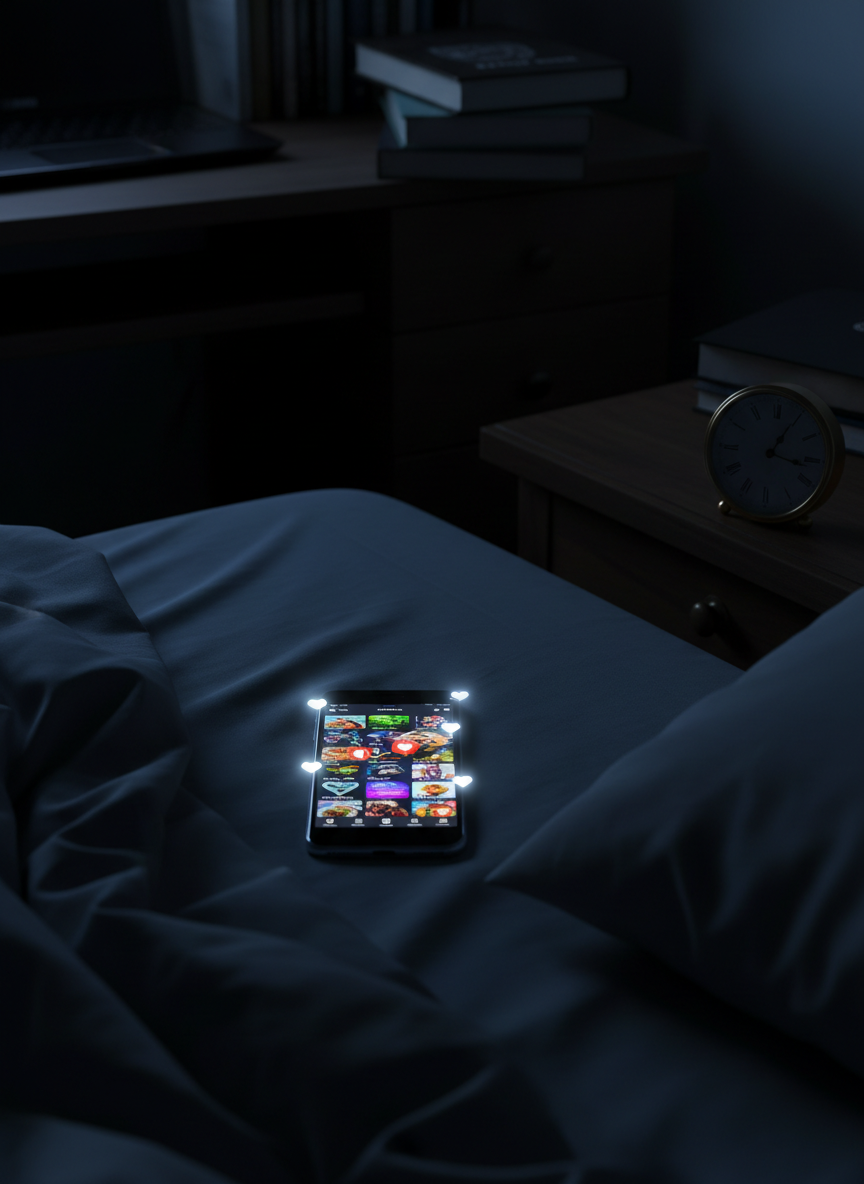
A smartphone lying face up on a rumpled navy-blue bedspread, displaying a social media feed filled with bright images and heart-shaped like icons, while a small analog clock on the bedside table shows a very late hour. The room is dim, illuminated only by the cold bluish glow from the phone screen, casting stark highlights on the fabric’s texture and long shadows across the pillow. In the background, a barely visible stack of school books sits untouched on a desk. Photographic realism, cinematic low-light style, slightly elevated angle, and a moody, introspective atmosphere highlight the tension between endless scrolling and much-needed rest.

About Scroll Minds

Scroll Minds started as a simple question: how does constant online exposure shape mood and relationships? We share stories, science, and practical tips for teens and parents.

Teen Mood Health

A sleek tablet resting on a kitchen counter, its screen split between a mood-tracking app using colorful graphs and a busy social media timeline overflowing with comments and reaction emojis. The tablet is surrounded by an untouched bowl of cereal and a glass of orange juice beginning to gather condensation. Warm morning sunlight pours through an unseen window, creating soft, golden reflections along the tablet’s metallic edge and gentle shadows from the breakfast items. The background shows a blurred fridge door covered with neutral magnets and blank sticky notes. Photographic realism, eye-level composition, and a clear, bright atmosphere emphasize the daily balancing act between digital life and emotional wellbeing.

We explore how screens impact mood, self‑esteem, and relationships, offering relatable stories and research‑based tips for healthier digital habits.
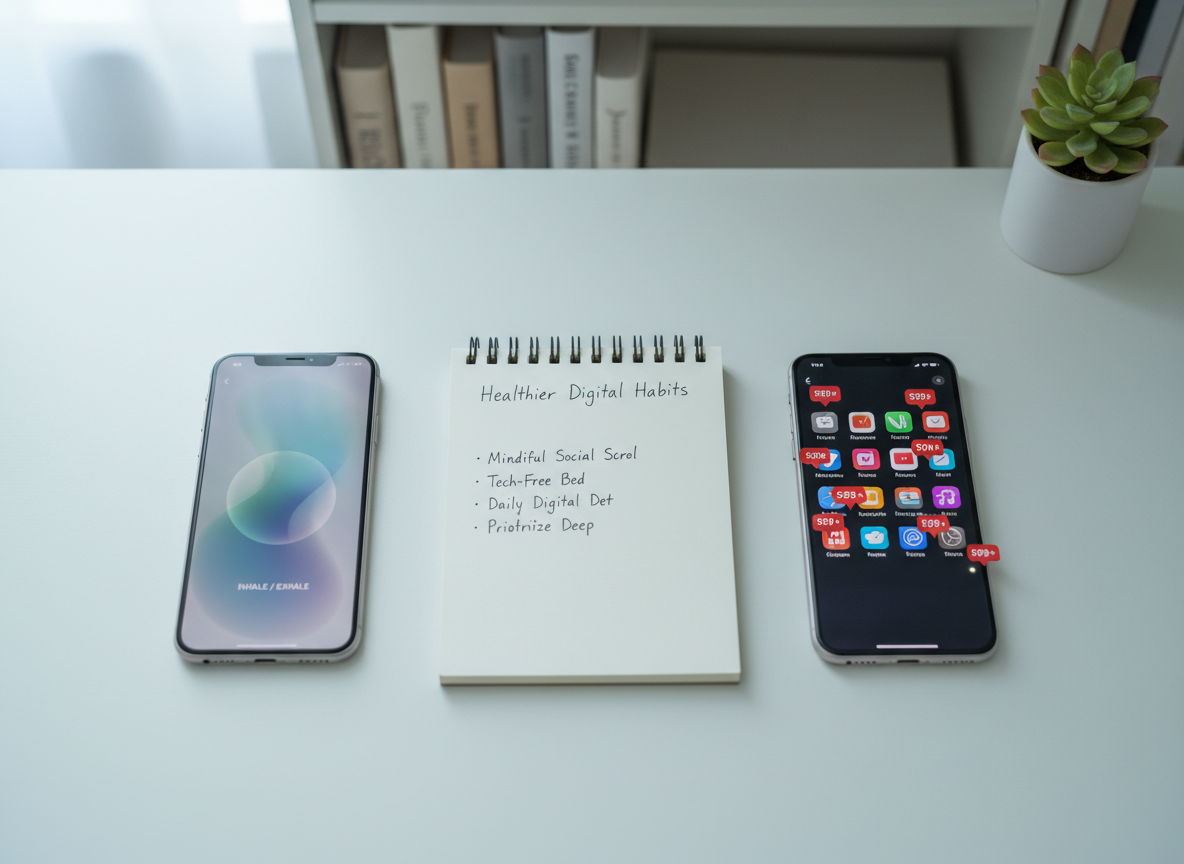
A minimalist white desk with two smartphones placed side by side: one showing an app with calming breathing exercises and a soft gradient interface, the other overflowing with flashing notification badges from multiple social platforms. Between them lies a simple spiral notebook open to a handwritten list titled “Healthier Digital Habits,” with bullet points partially visible. Cool, diffused daylight from an overcast window softly illuminates the scene, reducing harsh contrasts and creating a reflective gleam on the phone screens. The background is a blurred bookshelf with neutral-colored book spines and a small, nondescript plant. Photographic realism, top-down perspective, clean and modern aesthetic, conveying a hopeful, reflective mood about finding balance.

We translate science into practical steps teens and parents can use to set boundaries, reduce comparison, and cultivate mindful scrolling.
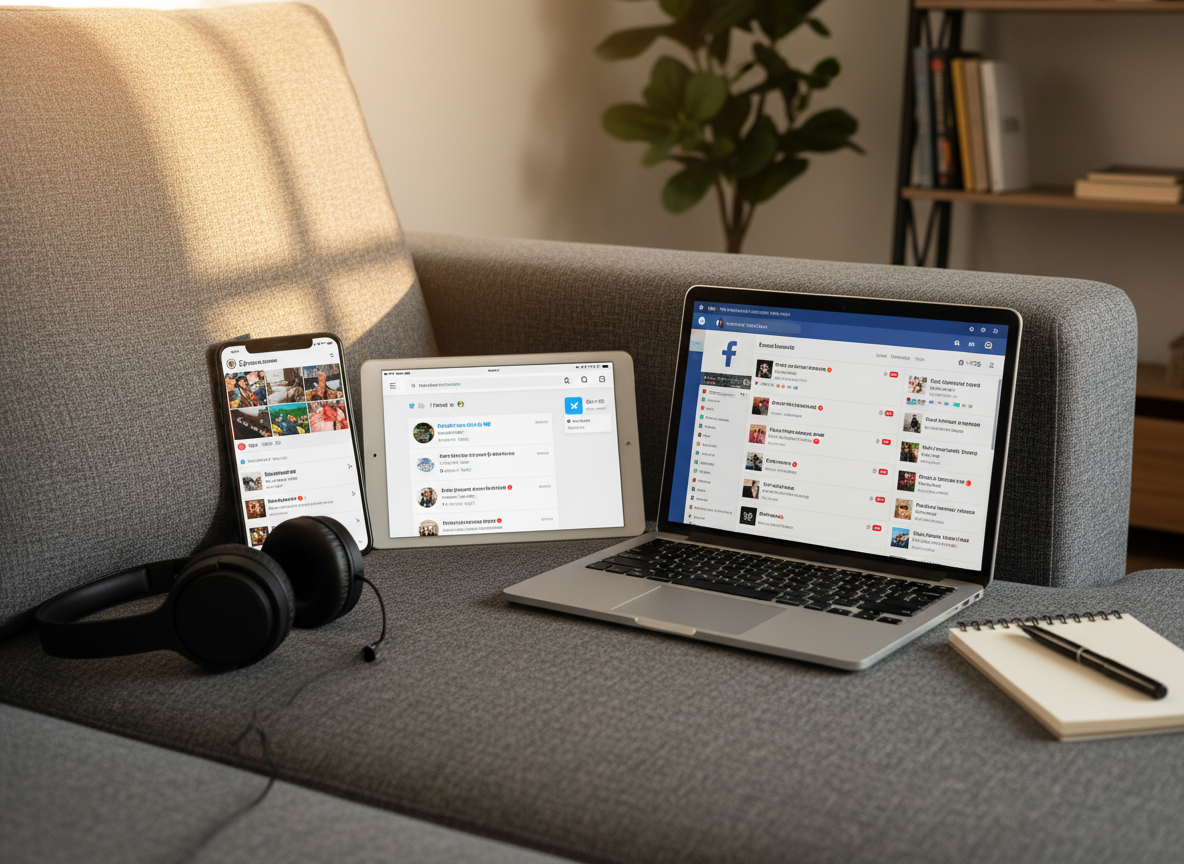
An arrangement of three devices—a smartphone, a tablet, and a laptop—spread across a cozy, textured gray couch, each screen displaying different social media platforms with vibrant posts, comment threads, and unread messages. A pair of wireless headphones rests unused beside them, and a small notepad with a pen lies open but blank on the armrest. Late afternoon light filters in from a nearby window, casting soft, diagonal beams and creating a gentle glow on the fabric and device edges. The background remains softly out of focus, suggesting a quiet living room. Photographic realism, slightly wide-angle eye-level shot, with an atmosphere that feels both comfortable and subtly overwhelming due to the digital clutter.

Family and school-friendly strategies that support communication, resilience, and balanced online time.
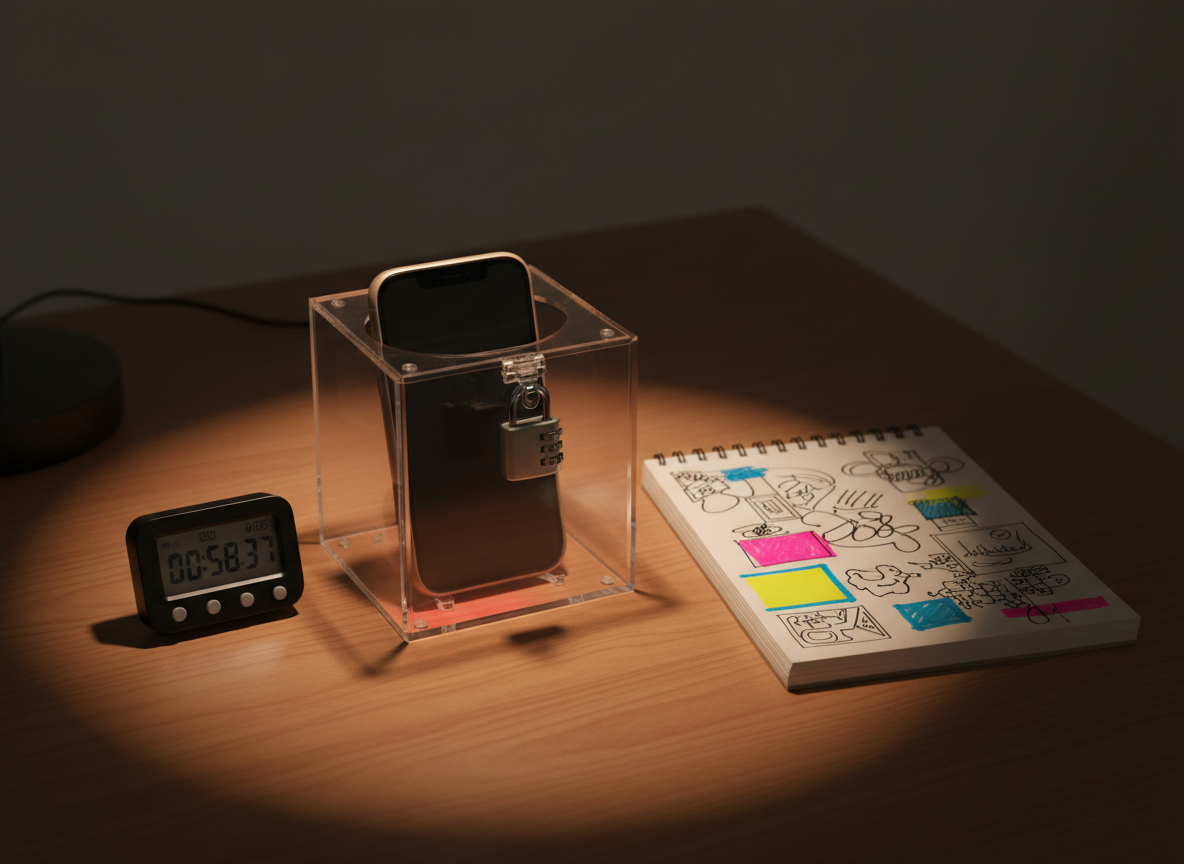
A phone locked in a small, transparent acrylic box with a simple combination lock, placed on a smooth wooden table beside an open sketchbook filled with abstract doodles and color swatches from highlighters. A digital timer sits nearby, counting down, its glowing digits reflected faintly on the table’s finish. Soft, warm desk-lamp lighting creates a cozy pool of light around the objects, with the surrounding room fading into gentle darkness. The composition uses rule of thirds from a slightly elevated angle, focusing on the locked phone as a symbol of intentional digital boundaries. Photographic realism with a calm, focused, and slightly empowering atmosphere, evoking mindful breaks from social media.

From sleep disruption to online friendships, our posts unpack real teen experiences and the science behind digital life.

What Readers Say

Rating: 5 out of 5.

“This blog helped me understand my scrolling and made me feel less alone.”

— Aya Nakamura

Rating: 4 out of 5.

“The tips are realistic and easy to try with my friends.”

— Lila Patel

Rating: 4 out of 5.

“I learned to pause before posting and set boundaries with my family.”

— Mateo García

Rating: 5 out of 5.

“The stories connect with my everyday life and motivate change.”

— Aya Nakamura

Newsletter Signups

Get weekly tips and brain science explained.
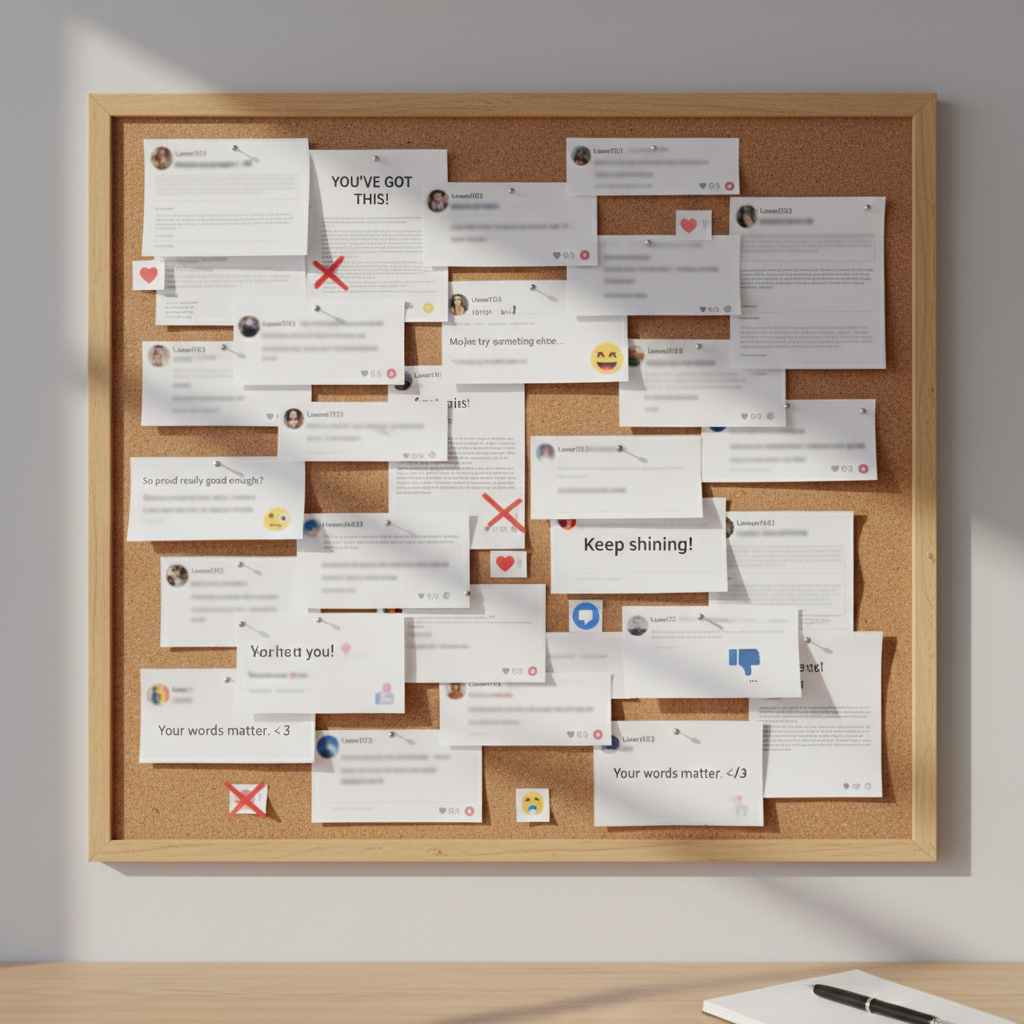
A close-up of a perfectly arranged bulletin board covered in printed anonymous social media posts, comments, and reaction icons, all pinned in overlapping layers. Some posts feature positive affirmations and supportive messages, while others include subtle negative phrases, all with usernames removed. The board hangs on a neutral wall in a quiet study space, with a simple desk edge just visible at the bottom of the frame. Soft, indirect natural light from a side window creates delicate shadows beneath each paper and pin, enhancing texture. Photographic realism, straight-on composition with sharp focus across the whole frame, and a thoughtful, analytical mood, inviting reflection on how mixed online feedback can impact self-esteem.
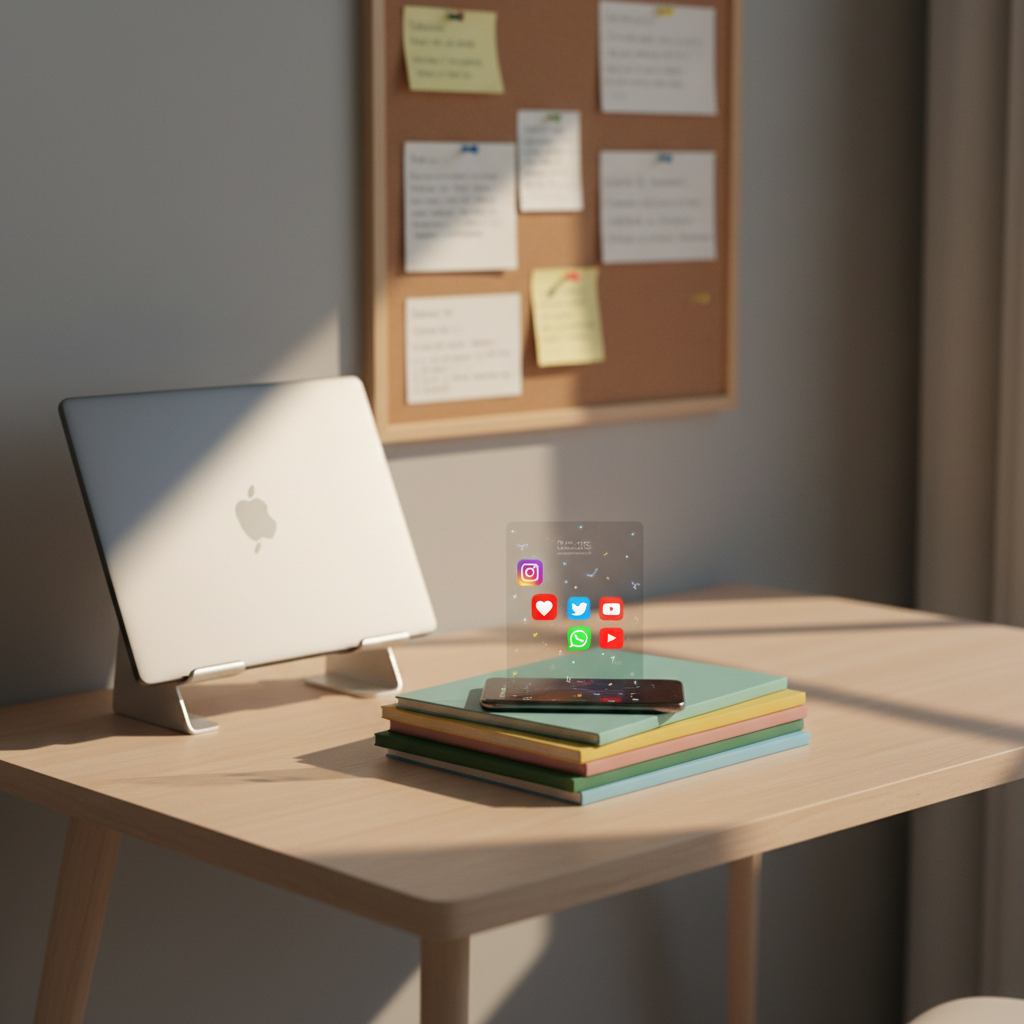
A modern wooden study desk with a closed laptop, a neatly stacked pile of colorful notebooks, and a smartphone glowing with multiple social media notification icons on its lock screen. The desk sits in a quiet bedroom corner with muted gray walls and a large window just out of frame. Soft afternoon natural light washes across the desk surface, creating gentle reflections on the phone screen and subtle shadows behind the objects. The background is slightly blurred, with a corkboard holding anonymous notes and reminder cards. Photographic realism, eye-level composition, shallow depth of field, and a calm but slightly tense atmosphere suggest constant online noise intruding on a private, reflective space.

General Info

We focus on evidence‑based, teen‑friendly guidance you can apply today.

Is this your new site? Log in to activate admin features and dismiss this message
Log In